
Ferocious Mullet · Crash and Carry · Jan 2003
Shout out to the Amb, Kev, and the whole Chi crew for hosting us in Hungary (multiple times). Good times. We woke up hungover with signed record contracts. True Story. Still remember the PA system and sound isolation on the A38 boat club on the Danube. If memory serves me correctly.
Listen
Remastered
FerociousMullet · Cellophane Satisfaction (Remaster 2024)Cellophane Satisfaction was included as part of autoload.ep
Release history
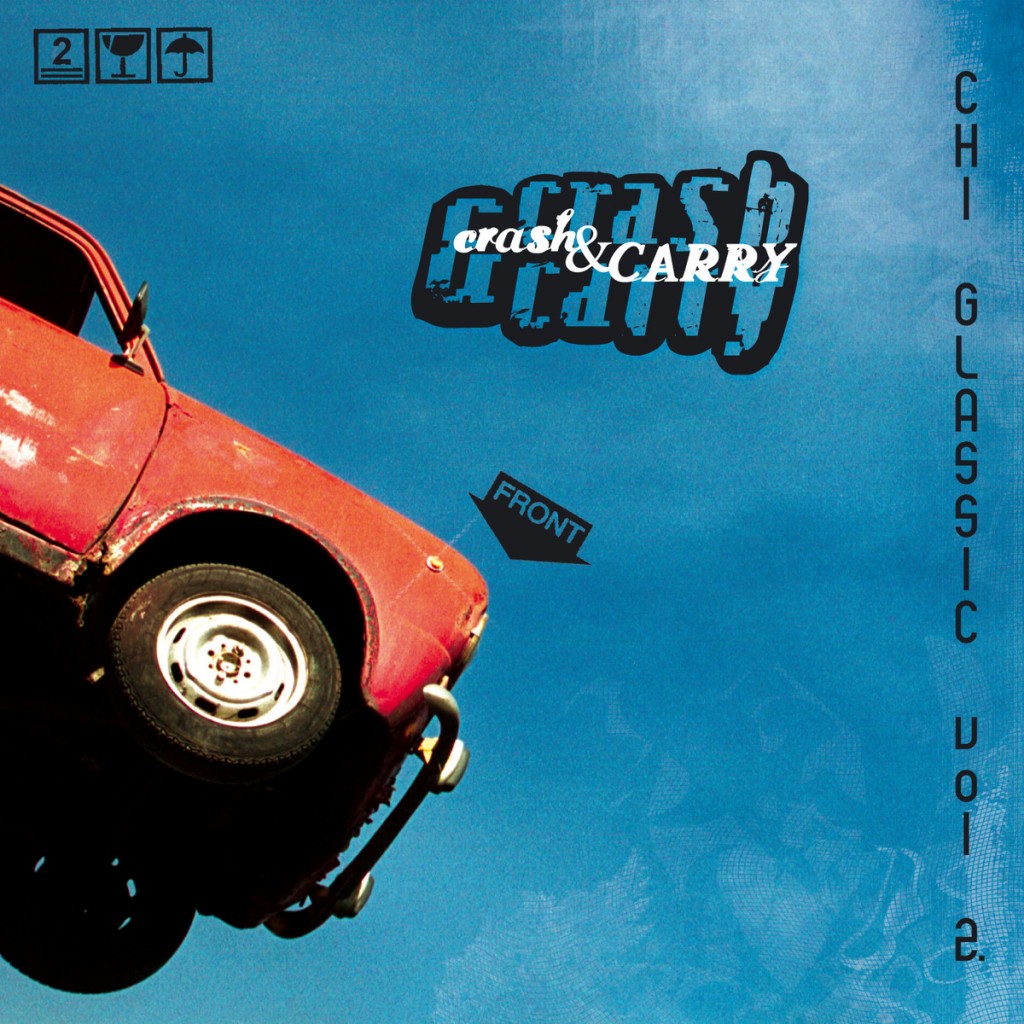
First released on Chi Glassic Volume 2: Crash & Carry (Chi Recordings, CD, catalogue CHICD003). The compilation also features Cord, Neo, AMB, Muddyloop, DJ Naga, Loes Lee, Meneater, Modul, Audiotools and Frizbi. In November 2004 XLR8R called it “their single”, and its success set up the follow-up, Autoload. The 2024 remaster is part of autoload.ep.
Interview: ORIGO, September 2004
Hungarian portal ORIGO interviewed Charlie Norton and Gareth Green (Péter Galambos, 6 September 2004) after their live dates in Hungary that May, at the A38 boat in Budapest and the Hangár in Sopron. Below is an English summary of the interview, which was published in Hungarian:
- Origins: Gareth and Charlie met at the university where Gareth worked and bonded over drums and bass. Their first studio project together was the trance act Electric Melon, later renamed to something sillier. There is no great story behind the name Ferocious Mullet.
- Roots: psytrance is the background they can’t deny, though in London at the time admitting it earned condescending looks.
- The tracks: the interviewer described “Cellophane Satisfaction” as gritty breakbeat and “Ruff Machine” as bordering on psytrance. The duo agreed and said their taste was deliberately broad. They had started writing breakbeat without knowing the scene, so no other producers had shaped their sound.
- Chi Recordings: joining Chi introduced them to the other artists on the label. Charlie predicted that Chi’s openness would make it widely known within a few years.
- Going live: the next EP would be funkier, with acoustic drums and electric guitar. Their long-term aim was a live band with drummers, guitar and vocals, which they felt would be more engaging to watch than two people behind decks.
- Hungary: Charlie called the Hungarian crowd the best he had played to. The scene was more relaxed and open than London’s, where dropping techno into a breaks set could clear the floor.
In DJ mixes and radio
- collins303, interFACE volume 2 (1 June 2003): track 4 of 16 in a vinyl mix of breaks played regularly on Saturday afternoons on the internet radio station interFACE. It sits alongside The Chemical Brothers, Plump DJs, Krafty Kuts, Bryan Zentz and Vitalic.
- Flack.su, The CHI mix (2004): track 7 in a showcase of the Chi Recordings catalogue.
From the archive: the ORIGO interview in full detail
A detailed English account of the interview, following its questions in order. Original interview by Péter Galambos, published in Hungarian by ORIGO on 6 September 2004. Credited with thanks for historical purposes.
The setting
ORIGO introduced the piece by noting that in May 2004 Hungarian audiences saw Chi Recordings’ foreign acts live for the first time. Two acts were on the bill: Ferocious Mullet (Charlie Norton and Gareth Green) from Britain and the Norwegian trio Molomekaniske. Both played the A38 boat in Budapest and then the Hangár in Sopron, and two of the A38 sets were recorded.
How it started
Gareth explained that the pair met at the university where Gareth worked. A shared love of beats and bass led to sessions in Gareth’s studio and a first joint trance project, Electric Melon, which they later swapped for an even sillier name. Being able to laugh about it all, Gareth said, is what keeps the mood right.
Why “Ferocious Mullet”?
Gareth admitted there is no great origin story: the duo are bad at naming tracks and projects, and names tend to arrive when they aren’t entirely sober. Charlie added that people seem to find the name funny once it’s translated, and, more importantly, nobody forgets it.
Breakbeat, psytrance and keeping quiet about it
The interviewer pointed out that Hungarian fans knew them for two quite different records: the grimy breakbeat of “Cellophane Satisfaction” and the psytrance-leaning “Ruff Machine”, and asked which was really their style. Gareth said psytrance is the background they can’t deny, even if they often have to keep it hidden. Charlie explained why: in London at the time, admitting to psytrance got you disdainful looks. It was seen as uncool, and festivals mentioned it only in the small print of their flyers, if at all.
What came next
Charlie stressed that their taste ran wide. The next EP would be funkier, with traditional instruments, acoustic drums and electric guitar: the kind of tracks that open a set and warm up a crowd before the harder material arrives.
Towards a live band
Asked about performing as a band, Charlie said they would probably head towards a line-up with drummers, a guitarist and vocalists. Gareth felt that would be far more exciting to watch than two people behind decks, though the crowd was still welcome to cheer as loudly as they liked. Above all they didn’t want to be pigeonholed. They had started making breakbeat without really knowing the genre, so no other producers had shaped their sound. Charlie added that joining Chi had introduced them to the other artists on the label, whose work had impressed them. (That live-band ambition later took shape on the album From A to D.)
On Hungary, and on Chi
Charlie called the Hungarian audience the best they could have hoped for. The scene felt looser, friendlier and more open-minded than at home, where dropping something techno into a breakbeat set would empty the dancefloor. Chi’s openness had impressed them just as much, Charlie said, and the interview closed with a prediction that this openness would make the label very well known within a few years.
Sources: Chi Recordings · ORIGO, 6 Sep 2004 (Hungarian) (archived copy) · collins303 interFACE vol. 2 · The CHI tracklist (archived) · XLR8R #82